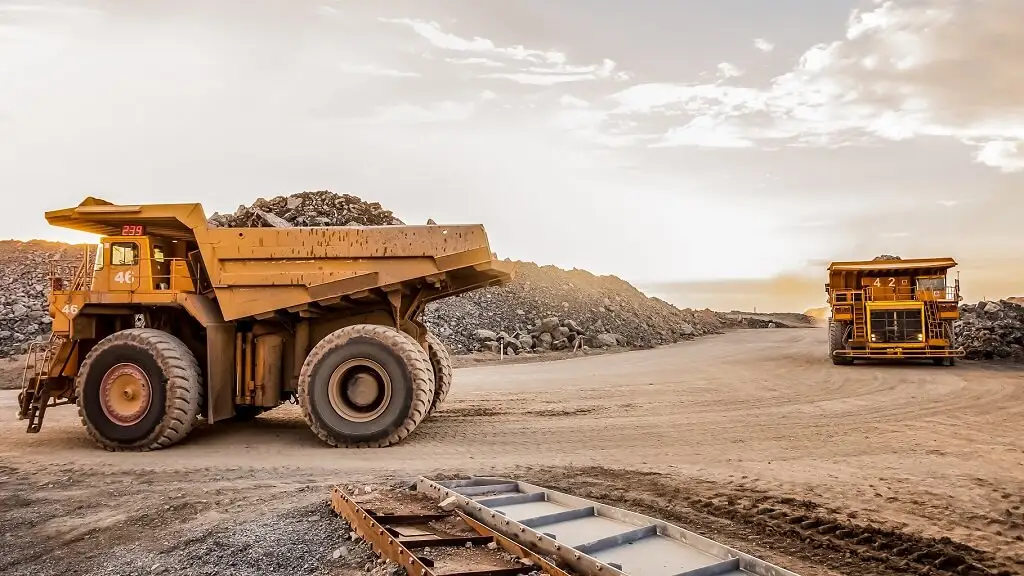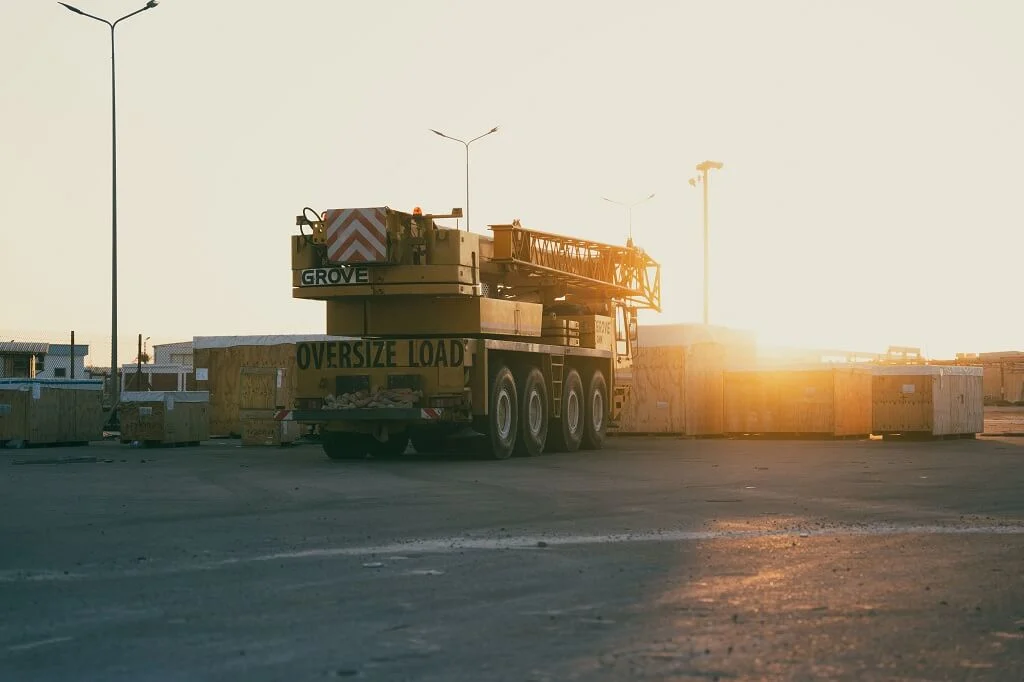
A skid-mounted gas processing unit, 3.8 metres wide on its trailer, has just been discharged at a Singapore port. The truck is not allowed to leave the port until the Land Transport Authority (LTA) approves the Oversized Vehicle Movement (OVM) permit. This is because the cargo is wider than the standard permitted road transport width, making it an oversized load that requires special approval before it can be transported on public roads.
Out of gauge transport is the movement of cargo that exceeds the standard size or weight limits of a container, trailer, or road. For oil and gas projects, this includes heavy equipment like rig components, pipe spools, skid-mounted systems, and offshore modules.
Moving these types of cargo safely in Singapore depends on five key things working together: a route survey, the right permits and escorts, suitable and experienced transporters, lifting equipment and engineering, and a vessel or storage plan for the legs before and after the road. When one is missing, the cargo is delayed and can result in the installation schedule being disrupted.
This guide explains what out of gauge cargo transport involves for oil and gas logistics in Singapore, which approvals apply, and how heavy cargo moves between port, yard, vessel, and site.
1. What Counts as Out of Gauge Cargo in the Oil and Gas Sector?
Out of gauge cargo is any shipment too large, wide, tall, or heavy for a standard container or trailer. In the oil and gas sector, common examples include rig components, pipe spools, skid-mounted systems, offshore modules, and subsea equipment. These items rarely fit standard equipment, so each one needs its own transport plan.
The terms are often mixed up, so it helps to separate them:
- Out of gauge: this describes cargo that exceeds the size or weight limits of a container, trailer, or road.
- Breakbulk: this describes cargo handled piece by piece instead of in a container or as loose bulk. Most out of gauge cargo moves as breakbulk cargo, but not all breakbulk cargo is considered out of gauge cargo.
- Heavy lift and project cargo: this describes the lifting and the multi-leg planning that large energy shipments usually need.
Logistics tip: when you request a quote, share the exact dimensions and weights rather than relying on any of these labels.
2. Why Singapore Matters for Regional Oil and Gas Projects
The demand behind these out-of-gauge cargo shipments is growing. Rystad Energy estimates that about US$45 billion was approved from 2014 to 2023, according to Breakbulk magazine.
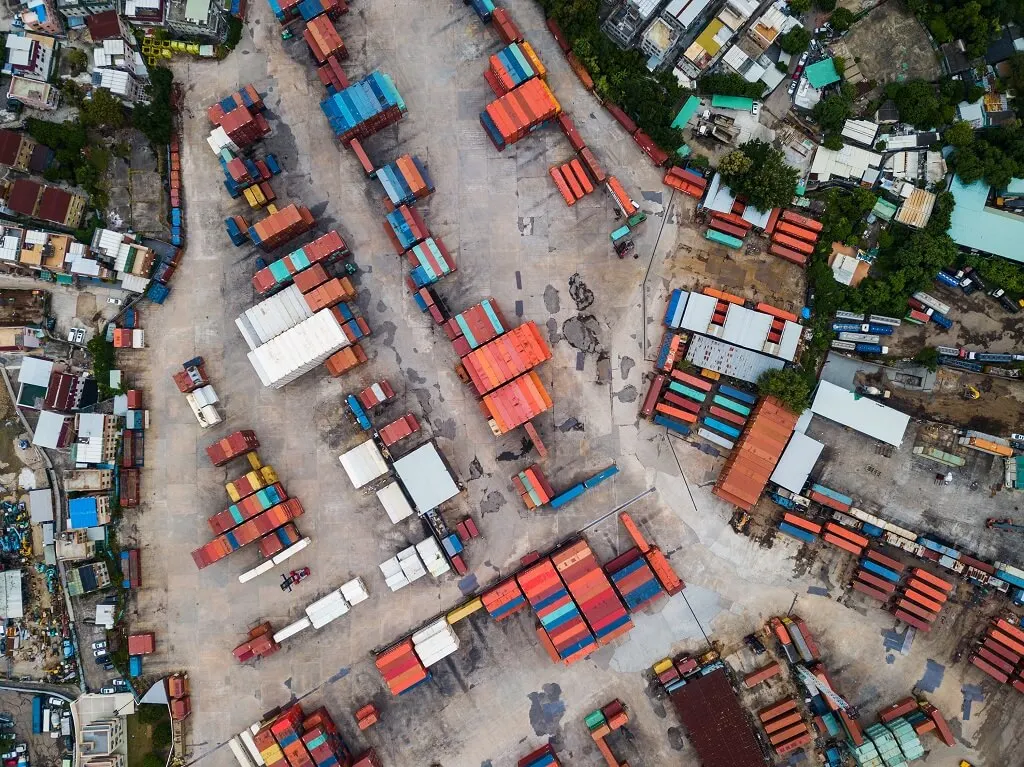
While offshore structures are fabricated in specialised yards and deployed straight to sea, Singapore plays a crucial role in keeping these regional projects moving. The island serves as a key regional hub for staging heavy modules, managing spare parts inventory, secure equipment storage, and executing rapid vessel mobilisation. Efficient logistics handling across Singapore’s ports and storage yards ensures these high-value offshore projects stay on schedule.
Our oil and gas industry logistics solutions take care of your cargo from warehouse to port to final destination—receive your shipments on time, safely, and efficiently when you partner with Halcon Primo Logistics.
3. Should Out of Gauge Cargo Move By Road, Barge, or Vessel?
The first decision on any move is the mode of transportation. Road transport reaches any site, but it brings many rules and regulations to follow. Coastal moves by barge or landing craft tanks can bypass many of the road limits, but they need a suitable jetty and a sea-fastening plan.
| Transportation Mode | Best Suited For | Key Constraints |
| Low-Bed or Modular Trailers on roads | Skids, pipe spools, vessels and equipment moving between port, yard and plant | Oversized Vehicle Movement (OVM) permit, escort thresholds, night-only windows for escorted loads, bridge and height limits |
| Barges or Landing Craft Tanks (LCT) along the coast | Heavy or wide items between waterfront locations, for example port to a yard or jetty | Jetty or ramp availability, tides and draft, deck loading, sea-fastening |
| Offshore Supply Vessels (OSV) | Equipment and deck cargo going offshore | Deck space, crane capacity, port clearances |
| Heavy-Lift or Break Bulk Vessels | Long-haul regional or international shipments | Berth and quay strength, lifting plan, charter timing |
A good transportation plan often combines these different methods, for example, a coastal barge leg to avoid restrictive inland routes, followed by a short escorted road move to the final site.
4. What Permits Does Out of Gauge Transport Need in Singapore?
In Singapore, road permits for oversized loads are issued by LTA through the Permit for Road Occupation Management Portal (LTA.PROMPT). The rules below reflect LTA’s published guidance as of October 2026. Always confirm the current thresholds before you plan a move.
When is an OVM permit required?
An OVM permit is required when the vehicle, including its load, exceeds any of these:
- An overall width of more than 3.0 metres, or more than 2.6 metres on controlled roads (roads with narrower lanes; LTS publishes the list).
- A rear overhang of 1.8 metres or 40% of the vehicle length, whichever is less.
- The weight limits for its vehicle type, which LTA sets out on LTA.PROMPT.
Applications must be submitted through LTA.PROMPT at least three working days before the intended travel date.
Reports and surveys
Route verification responsibilities depend on the specific size and weight thresholds of the vehicle and its load; this means that larger moves tend to require more reports and surveys before the move. For instance:
- Physical Route Surveys (Widths ≥ 6.0m): An official route survey report is required if the vehicle or load has an overall width of 6.0 metres or more (or a gross weight of 200 tonnes or more).
- Structural and Engineering Evaluations (Weight > 80 Tonnes): A certified Professional Engineer would need to endorse the structural evaluation and report if the vehicle has a gross weight exceeding tonnes
When is a police escort required?
An auxiliary police escort is required, in addition to the OVM permit, when the vehicle has any of these:
- An overall width of more than 3.4 metres
- An overall weight of 80,000 kg or more
- An overall height of more than 4.5 metres
Height alone does not trigger an OVM permit, but loads taller than 4.5 metres still require an escort.
For reference, in Singapore, the LTA caught about 3,300 vehicles for oversized-load offences, including permit breaches, unflagged protruding cargo and Excluded Vehicles on expressways – highlighting the strict rules that must be followed when transporting cargo within Singapore.
It’s important to remember that for all modes of transportation, local rules and regulations should be taken into consideration and carefully planned accordingly so that unnecessary delays and additional costs are avoided – especially when handling oversized and heavy cargo where being on schedule is vital.
To ensure all cargo is transported smoothly and on schedule, shippers should work with experienced teams to help with coordination, understanding, and abiding by local regulations. At Halcon Primo Logistics, we have experience managing complex projects and moves, especially for oil and gas related cargo.
5. What Equipment and Engineering Support Do Heavy Moves Need?
On land, low-bed trailers and self-propelled modular transporters (SPMTS) carry heavy or wide cargo, and mobile or crawler cranes handle loading and positioning. At sea, the vessel depends on the cargo:
- LCTs and barges suit ramp-based or deck-loaded moves between waterfront sites.
- Offshore supply vessels carry deck cargo to offshore facilities
- Heavy-lift and breakbulk vessels suit large, long-haul shipments
Whichever the mode, three pieces of engineering usually sit behind a safe move: a lifting plan, a load-bearing check for the trailer, quay, barge deck or storage area, and, for sea legs, sea-fastening and grillage that secure the cargo against vessel motion.
At Halcon Primo Logistics, our vessel chartering covers landing craft tanks, offshore supply vessels and specialised ships for breakbulk and out of gauge cargo. For cross-border moves, we also provide road transport supported by route surveys and regulatory approvals.
6. Where Can Out of Gauge Cargo Wait Before Installation?
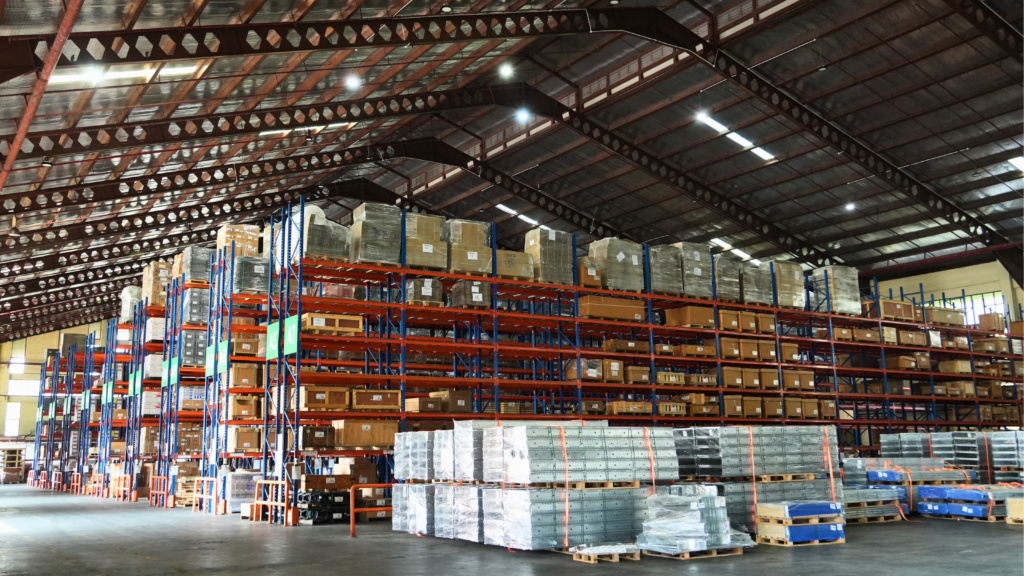
Out of gauge cargo can wait in a bonded facility with an open yard and covered storage. Our 7-hectare bonded facility in Singapore holds oversized modules and critical spares under customs control, so import GST on non-dutiable cargo is suspended until the cargo is released for local use. This gives project teams room to stage cargo while the site gets ready.
Most project cargo, such as modules, skids and spares, is non-dutiable, so the benefit of bonded storage is GST suspension rather than customs duty. Staging cargo this way lets the team release modules in the order the site needs them instead of paying for everything up front, allowing them to have more flexibility with cash flow.
For the cargo itself, robust items such as steel structures can often wait in an open yard. Moisture- or dust-sensitive equipment, such as control panels and instrumentation, should be kept under cover. Rotation equipment may need preservation measures, and heavy items need hardstanding with enough ground-bearing capacity and crane access.
7. How Do Customs and Safety Rules Affect Oil and Gas Cargo Transport?
Oil and gas cargo transport needs correct customs documents and safe handling at every stage. Customs brokerage covers import and export paperwork, while safety guidelines from Singapore’s Workplace Safety and Health Council shape how heavy cargo is loaded and unloaded. Missing either one can stop a move before it starts.
Our customs brokerage support handles import and export paperwork for heavy machinery and project cargo. On site, our operations team works with certified lifting equipment, qualified personnel, and compliance-led processes, and we hold bizSAFE Star and ISO 45001:2018 certification.
8. How Are Different Oil and Gas Cargo Types Usually Moved?
| Cargo type | Why it is out of gauge | How we typically move it |
| Rig components | Size and weight beyond standard trailers | Low-bed trucking with certified lifting equipment |
| Pipe spools | Length and irregular shape | Specialised transporters and lifting tools |
| Skid-mounted systems | Width, height and weight | Route survey, OVM permit and low-bed trucking |
| Offshore modules and subsea equipment | Very large, heavy loads | Heavy-lift handling and chartered vessels |
Some buyers assume a heavy-haulage truck booking is enough for a single oversized piece. A booking on its own may not include the route survey, permit application, lifting plan or customs paperwork. Our project logistics team engineers and plans each of these together.
To plan an out of gauge move for your next energy project, speak to our project logistics team today.
Frequently Asked Questions
Does out of gauge cargo always need a police escort in Singapore?
No. LTA requires an auxiliary police escort for vehicles wider than 3.4 metres, taller than 4.5 metres, or weighing at least 80,000 kilograms. A load only just over 3 metres wide needs the permit but may not need an escort.
Can out of gauge cargo travel during the day?
Yes, if the vehicle does not need a police escort. LTA bars oversized vehicles without an escort from travelling during peak hours, from 7:30 a.m. to 9:30 a.m. and from 5 p.m. to 7 p.m. Vehicles that need an escort can only move at night, from 7 p.m. to 5 a.m. on most roads and from 11 p.m. to 5 a.m. on expressways.
Is out of gauge cargo the same as breakbulk cargo?
No. Out of gauge describes cargo that exceeds the size or weight limits of a standard container, trailer, or road, while break bulk describes cargo shipped loose instead of in a container. Much out of gauge cargo moves as breakbulk, but not all breakbulk cargo is out of gauge. When you request a quote, share exact dimensions and weights instead of relying on either label.
What details should I send to get an out of gauge transport quote?
Send the cargo’s length, width, height, and weight, plus the pickup point, destination, and required delivery date. Add any lifting points and site access limits you know about, since these shape the route and the equipment.
Does out of gauge cargo need covered storage?
Not always. Robust items such as steel structures can often wait in an open yard, while moisture- or dust-sensitive equipment such as control panels and instrumentation should be kept under cover. Our bonded facility in Singapore has both open yard and covered storage, so each piece can be placed according to its needs.