What is Breakbulk Cargo Shipping, and Who Uses It?
From prefabricated structures to pipeline sections, transporting large, heavy and uniquely shaped cargo is a complicated task. Shippers moving this kind of cargo need to balance efficiency, cost, and precision – but what exactly are the freight options available for handling it?
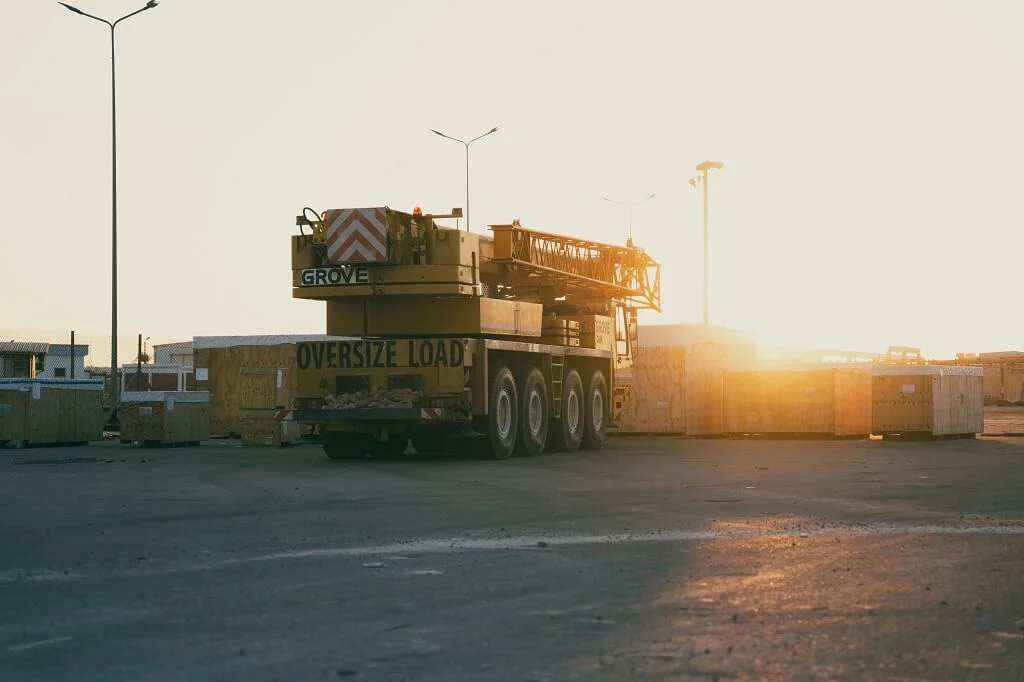
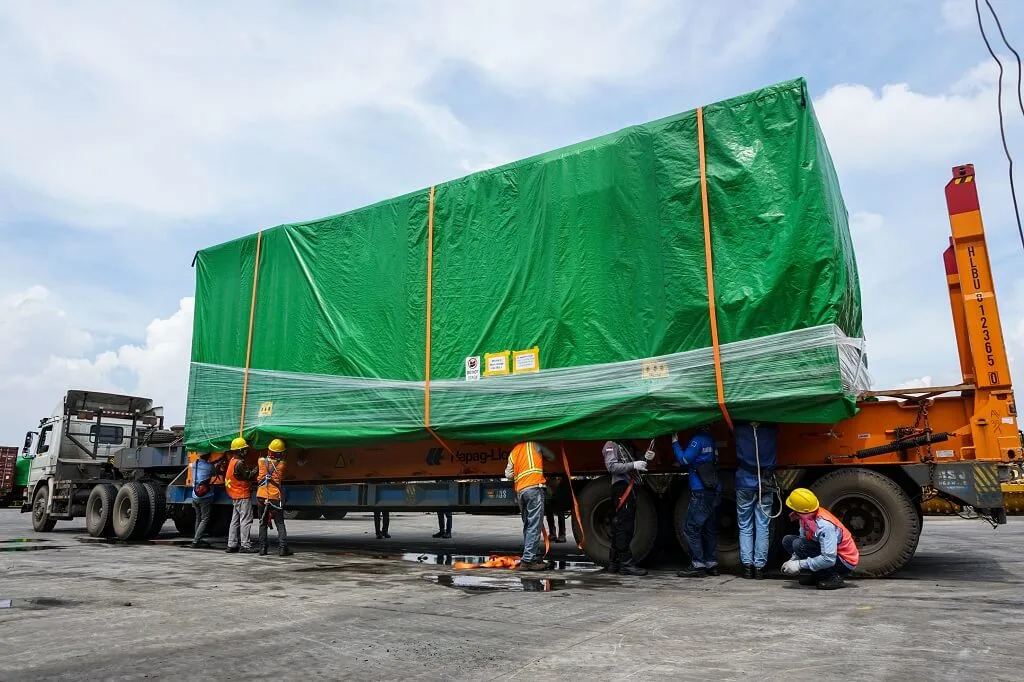
For oversized, extremely heavy or irregularly shaped cargo, ocean freight is typically the most viable option. However, because of the size, shape, or weight involved, these goods often don’t fit inside a standard shipping container. Instead, they are loaded individually – in crates, bags, boxes, drums, barrels, or as standalone units – using specialised equipment, and secured in cargo holds or on decks with cranes, skins, or other specialised lifting gear.
This is known as breakbulk cargo: a non-containerised cargo that generally requires specialised equipment to handle and transport.
In this article, we will cover the common types of breakbulk cargo, how breakbulk shipping differs from container shipping and project cargo, how the breakbulk shipping process works, and how shippers can keep their breakbulk shipments moving smoothly.
Common Types of Breakbulk Cargo
Break bulk cargo – also referred to as general cargo – is a broad category covering oversized, heavy or irregularly shaped goods. Common examples moved via road freight and ocean freight include:
- Mining and Industrial Equipment: Excavators, drilling rigs, conveyor systems and components, crushers and grinding mills, heavy haul trucks, mining cranes,
- Construction and Structural Materials: Steel girders and beams, steel coils and plates, reinforced concrete pillars, large-diameter pipes, piling tubes, bridge segments, modular building units, industrial tanks and silos
- Oil and Gas: Drilling and oilfield equipment, rig components, pipes and tubing, process and refinery equipment, power and generation units, subsea structures
What unites these goods is that each typically needs to be kept whole during delivery (with no assembly or disassembly en route), requires careful handling, and doesn’t fit into a standard container. Industries such as construction, mining, and energy rely heavily on breakbulk shipping for exactly this reason – it is often the most practical way to move raw materials and heavy equipment to project sites worldwide.
Breakbulk Shipping vs. Container Shipping
Breakbulk and container shipping differ in cargo type, handling requirements, costs, and the technical expertise needed. Below is a quick comparison of the different types of shipping:
| Breakbulk Shipping | Container Shipping | |
| Type of Cargo | Heavy, oversized, irregular-shaped | Standardised, packaged, palletised |
| Cargo Handling | Requires specialised equipment due to size and weight | Regular cranes or forklifts |
| Cost | Higher, due to size, weight, and handling complexity | Lower, for standardised goods |
| Expertise | High – specialised stowage planning and equipment | Minimal – standardised processes |
Because breakbulk cargo has such varied requirements, logistics providers generally need to offer more tailored, project-specific solutions than they would for standard containerised freight.
Breakbulk vs. Project Cargo: What’s the Difference?
Given how much overlap there is between heavy, oversized cargo and project logistics, it’s easy to conflate breakbulk shipping with project cargo. They’re related, but not the same thing.
Breakbulk shipping is a transportation method – the physical process of loading and transporting cargo that’s too heavy, large, or irregularly shaped for standard containers, moving it individually rather than containerising it.
Project cargo (also called project logistics) is a broader, end-to-end management strategy for complex, high-value, oversized shipments – often involving power generators, turbines, or factory components tied to a specific construction or infrastructure project.
| Breakbulk | Project Logistics | |
| Definition | A method of transporting non-containerised cargo | A comprehensive management and engineering strategy for entire supply chains |
| Scope | Moving individual or standardised cargo between ports | Multimodal transport (air, ocean, road), route surveys, permits, risk management, and strict timelines |
| Complexity | Not all break bulk cargo is part of a major project (e.g., a single loose excavator) | Many project cargo shipments rely on breakbulk methods, but may also use containers, barges, or air freight |
To put it simply: most project cargo counts as breakbulk, but not all breakbulk cargo is part of a project. The distinguishing factor for project cargo is the coordination and planning tied to a specific, time-bound project rather than cargo itself.
How Does Breakbulk Shipping Work?
Step 1: Cargo Assessment
Shippers share cargo specifications – weight, dimensions, and handling needs – with their logistics partner. Either the shipper requests a specific service, or the logistics partner reviews the requirements and proposes the most suitable shipping method.
Step 2: Cargo Preparation
As with any shipment, proper preparation matters. Since breakbulk cargo is loaded piece by piece each unit must be well protected and secured for transit, then labelled and marked for identification and tracking. The logistics partner also coordinates the vessel’s stowage plan.
Step 3: Transport From Origin to Port
Once prepared, the cargo moves from the origin or staging site to the port using specialised road freight – trucks, trailers, or heavy-haul equipment as needed.
Step 4: Port Handling and Loading
At the port, cargo is positioned and loaded onto the vessel using cranes or other specialised listing equipment.
Step 5: Transit and Unloading
The cargo is transported to the destination port and carefully unloaded, again using cranes or specialised lifting equipment.
Step 6: Customs Clearance and Final Delivery
Documentation and customs requirements are completed, and the goods are transported to their final destination.
How Can Shippers Keep Breakbulk Shipments Moving Smoothly?
The single biggest factor is working with the right logistics partner. Breakbulk shipping is inherently complex, and an experienced provider can take a significant weight off a shipper’s logistical load – from coordination and tracking to risk planning and contingency management – while helping to reduce overall costs.
At Halcon Primo Logistics, we’ve handled a wide range of cargo across industries, and our team ensures your goods are handled with care and precision, delivered on time.
Looking to ship your cargo soon? Connect with our team today for a customised logistics plan that saves you time and money.
Frequently Asked Questions
Is breakbulk cargo the same as general cargo?
These two terms are often used interchangeably, though ‘general cargo’ can sometimes cover a wider range of non-bulk goods, including smaller packaged items.
Does breakbulk cargo need to be oversized to qualify?
Not necessarily. What defines breakbulk is that it’s non-containerised and handed as an individual unit – it doesn’t have to exceed standard container dimensions to qualify, though many breakbulk shipments do.
Is all project cargo shipped as breakbulk?
No. While most project cargo relies on breakbulk methods, some project shipments also move by container, barge, or air freight depending on the cargo and route.