A shipment of drilling equipment needs to reach a mine site an hour past the nearest sealed road. The cargo has already cleared the port. Getting it the rest of the way is a different problem entirely.
Mining logistics in Singapore covers exactly this kind of movement, from bulk minerals leaving a port to heavy machinery reaching a site that standard trucking cannot access alone. It combines multimodal transport across road, air and barge, specialised handling equipment for oversized machinery, vessel chartering for bulk cargo, and customs documentation for both raw materials and equipment crossing borders — the core pieces of a functioning mining supply chain. Mining operations run on tight installation schedules, so a logistics plan built around general cargo handling usually falls short once equipment gets heavy, oversized, or time-critical.
Singapore sits close to some of the region’s largest mining and mineral export markets, including Indonesia’s nickel and coal sectors, which makes it a practical base for coordinating equipment and bulk cargo moving in and out of the region. This article covers what mining logistics actually involves, the methods used for mining equipment transport, and how bulk cargo gets moved safely and on schedule.
1. How Does Mining Logistics Reach Remote Mine Sites?
Many mine sites sit well past the reach of standard sealed roads, so getting cargo there takes more than one transport mode working together.
Our mining industry solutions include integrated road, air and barge transport, which gives access to inland sites regardless of local infrastructure limits. This matters at scale. Indonesia’s mines produced over 60% of the world’s nickel output in 2024, according to market intelligence research from S&P Global, and most of that material starts its journey from sites that standard road transport cannot reach on its own.
A single transport mode rarely covers the full route to a remote mine site. Road, air and barge each cover a different part of the journey, and the handoff between them is where most delays happen if it isn’t planned properly in advance.
2. What Equipment Is Used for Mining Equipment Transport?
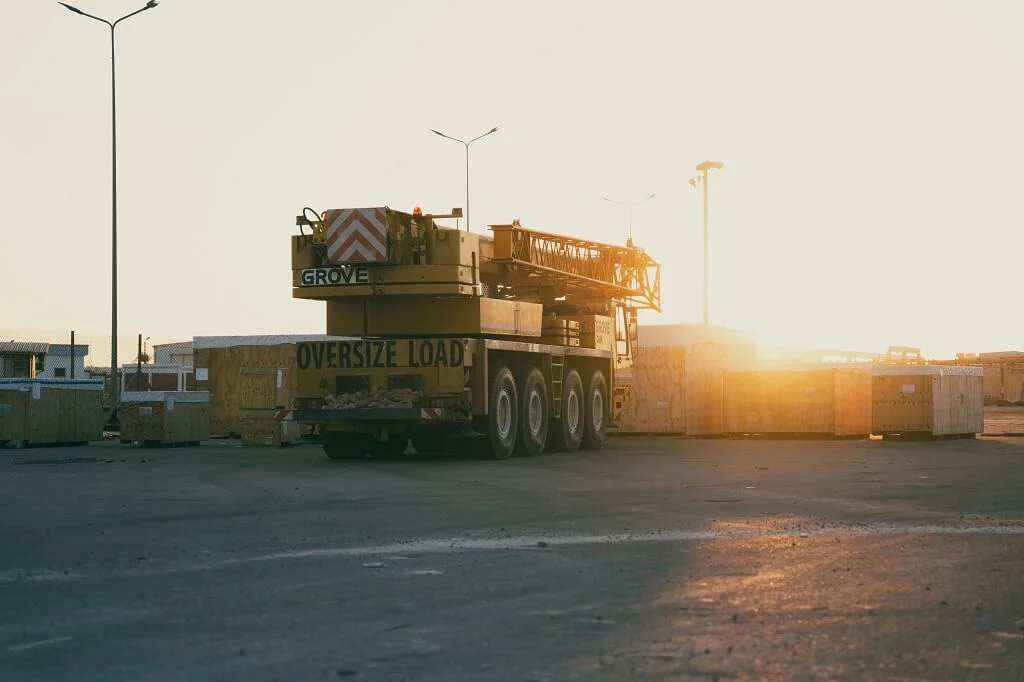
Mining equipment transport usually means machinery that is too heavy, too wide, or too awkwardly shaped for a standard flatbed truck.
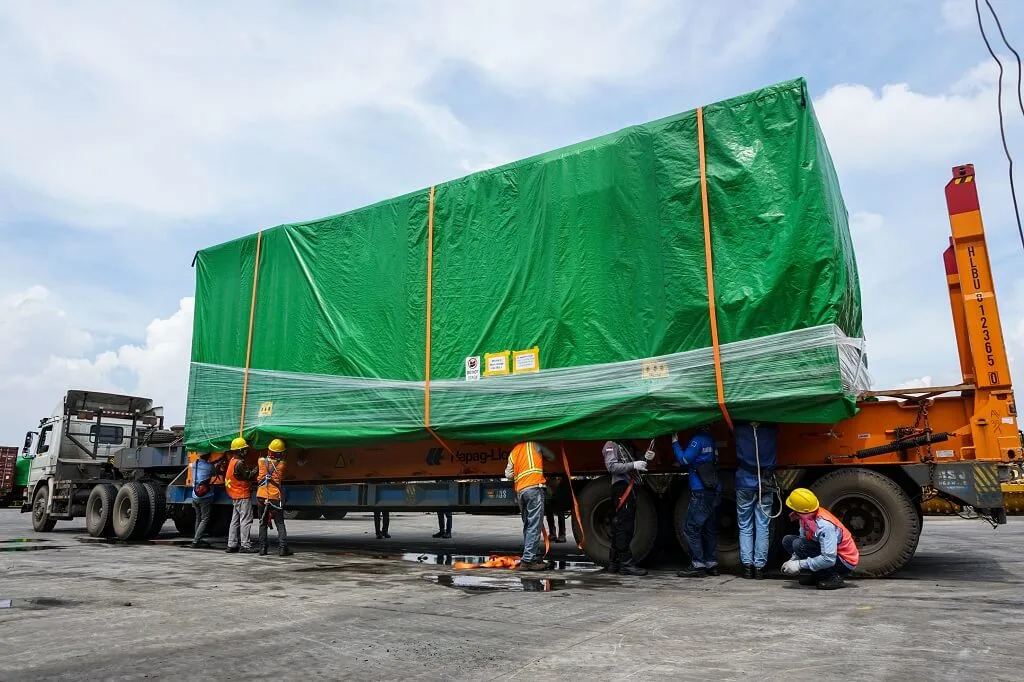
Excavators, drills, screening equipment and machinery parts each need different handling. Lowboy trailers sit close to the ground and suit tall, heavy loads. Flatbed trailers work for bulky cargo that needs open, flexible loading space. For the heaviest or most oversized pieces, self-propelled modular transporters move loads with precision that standard trailers cannot match. This kind of specialised transport sits within our wider project logistics services, which plan equipment moves in detail before the shipment gets underway.
Demand for this kind of transport is not staying flat. Nickel mine production in Indonesia grew from 853,000 tonnes in 2019 to 2.2 million tonnes in 2024, more than doubling in five years, according to research from the Institute for Energy Economics and Financial Analysis. More production generally means more equipment moving in and out of sites to support it.
3. How Does Vessel Chartering Support Bulk Cargo Logistics?
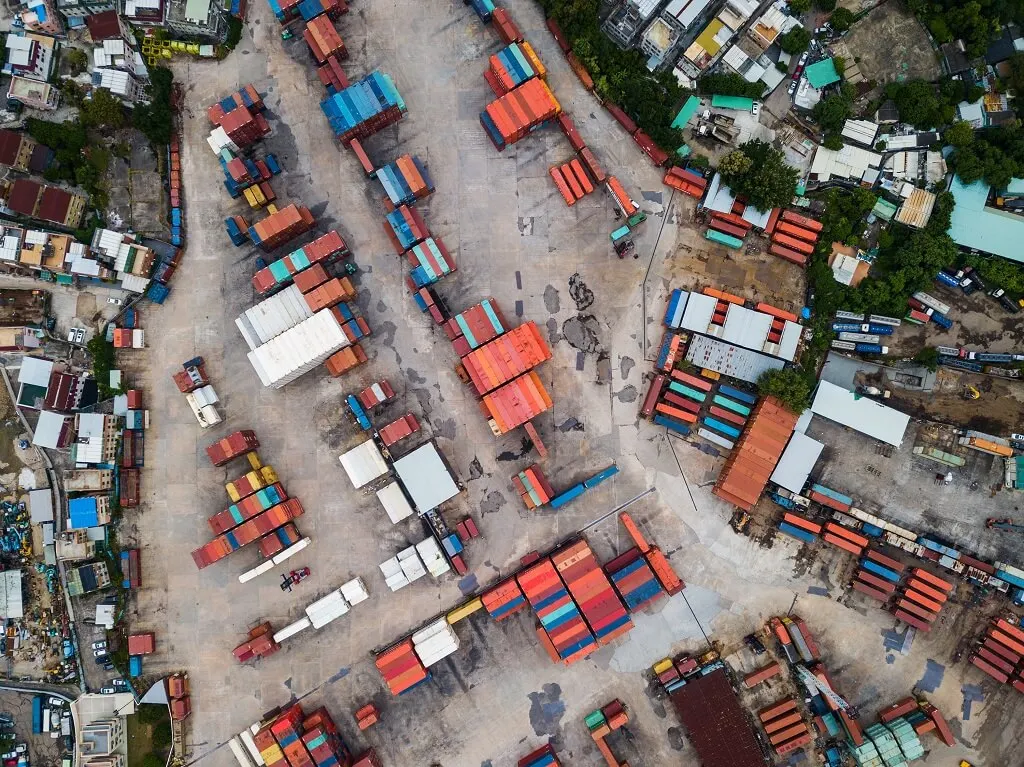
Bulk cargo logistics, moving raw minerals like coal or ore in large volumes, usually needs its own vessel rather than shared container space.
Vessel chartering for oversized cargo covers sourcing the right ship, coordinating port access, and planning how cargo gets loaded and stowed for the voyage. This differs from standard ocean freight, where cargo shares space with other shipments on a fixed schedule. A chartered vessel is booked around the cargo’s own volume and timeline instead.
The scale involved can be significant. Indonesia’s coal export volume reached 405.76 million tonnes in 2024, based on data from the country’s Central Statistics Agency (BPS). Moving volumes at that scale depends on vessel capacity being planned well ahead of the shipment date, not booked at short notice.
4. Why Does Delivery Scheduling Matter for Mining Projects?
Equipment arriving too early sits idle and gets in the way. Equipment arriving too late holds up installation. Neither is good for a mine site running on a tight schedule.
We work with site and construction schedules to phase cargo arrival so that equipment lands in line with actual installation or mobilisation dates. This avoids on-site congestion and reduces handling risk during unloading.
Getting delivery timing right is not something that can be fixed after the fact. It has to be built into the transport plan from the start, alongside the route and the equipment choice, not added on once the cargo is already moving.
5. How Is Customs Handled for Mining Cargo and Materials?
Minerals and machinery crossing borders both need proper documentation, and the requirements are not the same for each.
Customs brokerage for mining cargo covers import and export documentation for raw materials as well as machinery and spare parts moving in and out of a project. In Singapore, that means working within the requirements set by Singapore Customs. Missing paperwork does not just delay a shipment. It can hold cargo at the border entirely until it is corrected.
We manage delivery to the mine gate and coordinate the final leg into most sites. Once cargo moves onto a mine’s own internal haul roads, that sits with the site operator’s team, not ours. That boundary is real, and it is worth knowing before a shipment is planned.
| Cargo type | Example | Typical transport approach |
| Heavy machinery | Excavators, drills, screening equipment | Lowboy or flatbed trailers, SPMTs for outsized loads |
| Bulk minerals | Coal, nickel ore, bauxite | Chartered vessels and coordinated stockyard handling |
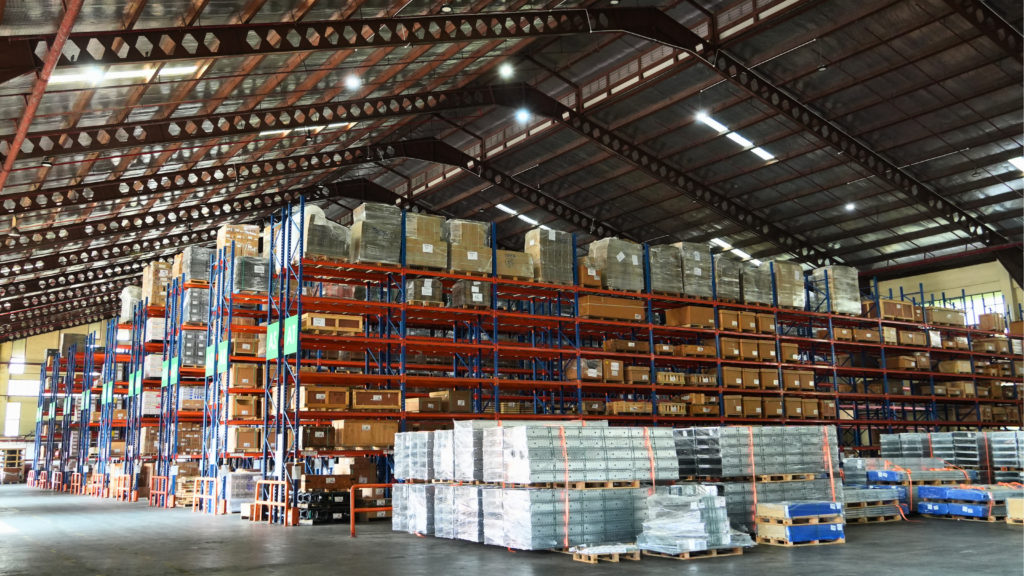
| Spare parts and consumables | Tyres, machinery parts | Consolidated road freight or LCL ocean freight |
| Site infrastructure equipment | Prefabricated structures, tanks | Flat rack or open top containers, project logistics planning |
Some businesses assume mining logistics is only worth arranging for the largest multinational operations. It isn’t. The same coordination, one provider handling bulk minerals, equipment and customs together, matters just as much for mid-size mining and quarrying projects that would otherwise be juggling several separate vendors for each leg of the journey.
If you want to talk through how mining logistics could work for your next equipment move or bulk shipment, request a mining logistics quote and our team will walk through your options.
Frequently Asked Questions
Does mining logistics cover delivery all the way to the mine site, or just to Singapore?
It typically covers delivery to the mine gate and coordination of the final leg into most sites. Once cargo moves onto a mine’s own internal haul roads, that responsibility sits with the site operator’s own team.
Can bulk minerals and heavy equipment be handled by the same logistics provider?
Yes. Coordinating both through one provider means a single point of contact manages vessel chartering, road or air transport, and customs documentation together, rather than juggling separate vendors for each cargo type.
How far in advance should heavy mining equipment be booked for transport?
As a general guide, heavy mining equipment should be booked several weeks to a few months ahead of the shipment date. This gives enough time to source specialised trailers or lifting equipment and complete any route surveys before transport begins.
What happens if a mine site has no proper road access?
Barge transport is used to cover the section road access cannot reach, with the final stretch coordinated separately to match the site’s own access conditions.
Is bonded storage useful for mining equipment waiting for on-site readiness?
Yes. Holding equipment in secure storage until a site is ready for installation avoids leaving expensive machinery in transit or at a congested site before it is actually needed.