Bonded Warehousing in Singapore: How Businesses Can Improve Cash Flow and Gain Strategic Flexibility
The global trade environment has business constantly balancing an act between managing inventory and preserving cash flow. This is something that many companies experience when importing goods into Singapore, and for small to medium sized enterprises managing high-valued cargo, having to pay duties and Goods and Services Tax (GST) upfront can put a significant strain on working capital.
Singapore’s GST is currently at 9% and would be collected once the cargo clears customs – whether or not a single unit of that cargo has been sold or consumed within Singapore. That means that on a shipment worth SGD 1 million, it’s SGD 90,000 tied up before you’ve earned a single cent from it.
That’s where bonded warehousing comes in. This logistics solution allows companies to break the link between ‘goods have arrived’ and ‘tax is due’. It’s a value-added warehousing solution that has been available in Singapore for many years but is often underutilised as it’s not widely known alternative to many businesses.
Basically, bonded warehousing allows businesses to defer duties and GST until goods are released for local consumption – providing both financial flexibility and operational control.
This article explains what bonded warehousing is, how bonded warehousing works, the key benefits of bonded warehousing, and how this warehousing solution can provide tangible value through real-world industry scenarios.
What Is Bonded Warehousing?
A bonded warehouse in Singapore is a secure storage facility that is licensed by the Singapore customs authorities. Imported goods can be stored in this warehouse under customs control without immediate duties or GST being paid upon entry of goods into Singapore.
Think of a bonded warehouse as sort of a ‘holding zone’ for goods – duties and tax only become payable when the cargo leaves the warehouse and enters the local market for sale or use.
The Singapore Customs runs two warehousing schemes that most tend to group together under the ‘bonded warehouse’ label. These two schemes are:
- Licensed Warehouse (LW) Scheme
This licensed premise is able to store imported dutiable goods into Singapore for an indefinite amount of time. The list of dutiable goods include liquor, tobacco, motor vehicles, petroleum, and biodiesel blends. The duties and GST are suspended while the goods are stored in this licensed premise and will only be paid once the goods are removed from the facility and enter Singapore’s customs territory for local use or consumption. This means that businesses are able to defer tax payments until the goods are needed or consumed locally.
- Zero-GST Warehouse (ZGS) Scheme
This licensed premise is able to store imported non-dutiable goods into Singapore for an indefinite amount of time. The goods stores under this scheme include all non-dutiable goods, and GST is suspended until it is removed from the facility and enters Singapore’s customs territory for local consumption.
If the goods are re-exported directly from the bonded warehouse, no local duties or GST are incurred by the businesses. Essentially, bonded warehousing allows businesses to delay tax payments until revenue is generated from the sale or use of goods.
How Bonded Warehousing Works
The process of how a bonded warehouse works is straightforward and highly structured:
- Goods are imported into Singapore and transferred into a bonded warehouse.
- GST (and duties, if applicable) are suspended at the point of import.
- With prior written approval from Singapore Customs, minor value-added activities like repacking and labelling, sorting and kitting and preparation for re-exporting can be done while under bond.
- When goods are released into the local market, duties and GST become payable.
- If goods are re-exported, no local duties and GST are applied.
This system gives businesses greater control over when costs are incurred. Instead of a single upfront tax bill on the day the container lands, businesses are able to pay GST in smaller pieces, aligning these tax payments closer with actual sales cycles.
Key Benefits of Bonded Warehousing
Bonded warehousing is a strategic tool that businesses can leverage to improve their financial and operational efficiency. Below are some of the key advantages of utilising bonded warehousing solutions for companies:
Improved Cash Flow
The most significant advantage is the deferral of duties and GST. Instead of paying taxes on all the goods upfront upon import, businesses can delay payment until goods are sold or released. This saves working capital for daily operations, expansion, or reinvestment.
Enhanced Inventory Flexibility
Businesses are able to store inventory in Singapore without committing to immediate tax payments. This is especially useful for businesses with fluctuating demand or seasonal sales cycles.
Cost Efficiency for Re-Exports
For trading companies or regional distributors using Singapore as a hub, bonded warehousing eliminates unnecessary tax payments on goods that will ultimately be shipped to other countries.
Risk Management for High-Value Goods
High-value cargo such as electronics or luxury items can be stored securely while minimising financial exposure from upfront tax payments.
Regulatory Compliance and Security
Bonded warehouses operate under strict Singapore customs supervision, with defined entry and exit controls, CCTV requirements, and strict record-keeping obligations – ensuring compliance with regulations while maintaining high security standards.
How Bonded Warehousing Supports SMEs
For smaller to medium sized companies, cash flow is the most important financial metric for survival and the most critical constraint to growth. Large upfront tax payments can limit the ability to:
- Purchase additional inventory
- Invest in marketing or expansion
- Manage operational expenses
By deferring duties and GST, bonded warehousing effectively frees up capital that can be deployed elsewhere in the business. This allows SMEs to operate more competitively, particularly in industries with high inventory costs.
Industry Specific Example Case Studies
Below are some examples across key industries in Singapore to illustrate the real impact of bonded warehousing.
Electronics Industry: Managing High-Value Inventory
A regional distributor imports consumer electronics such as smartphones and components into Singapore.
- Cargo value: SGD 1,200,000
- GST (9%): SGD 108,000
Without Bonded Warehousing
The company must pay SGD 108,000 in GST immediately upon import, tying up capital before any sales occur.
With Bonded Warehousing
The goods are stored in a bonded warehouse, and GST payment is deferred. The company releases inventory in batches based on demand, paying GST only when goods enter the local market.
Impact
The deferred SGD 108,000 can be used to:
- Purchase additional stock
- Fund marketing campaigns
- Support operational expenses
This flexibility is especially valuable in the fast-moving electronics sector, where product cycles are short and demand can shift quickly.
Luxury Goods: Protecting Margins and Cash Flow
A retailer imports luxury watches and accessories for distribution in Singapore and across Southeast Asia.
- Cargo value: SGD 800,000
- GST (9%): SGD 72,000
Without Bonded Warehousing
GST must be paid upfront, even if the goods remain unsold for months or are eventually re-exported.
With Bonded Warehousing
Goods are stored under bond and only incur GST when sold locally. Items designated for export to other markets avoid Singapore GST entirely.
Impact
- Immediate savings in cash flow of up to SGD 72,000
- No unnecessary tax payments on re-exported goods
- Improved ability to manage slow-moving or high-value inventory
For luxury businesses where margins and timing are critical, this model significantly reduces financial pressure.
Pharmaceuticals and Medical Supplies: Supporting Supply Chain Readiness
A healthcare supplier imports medical devices and pharmaceutical products for regional distribution.
- Cargo value: SGD 500,000
- GST (9%): SGD 45,000
Without Bonded Warehousing
GST is paid upfront, regardless of when the products are deployed or sold.
With Bonded Warehousing
Products are stored under bond and released only when needed for local distribution or export.
Impact
- Deferred GST of SGD 45,000 improves liquidity
- Ability to maintain buffer stock without immediate tax burden
- Greater responsiveness to urgent healthcare demands
This is particularly valuable in industries where demand can be unpredictable and rapid deployment is essential.
Why Singapore Is Ideal for Bonded Warehousing
Singapore’s position as a global logistics hub makes it uniquely suited for bonded warehousing solutions.
- Strategic location for regional distribution across ASEAN
- Strong customs framework and regulatory transparency
- Advanced logistics infrastructure
- Efficient import and export processes
Businesses leveraging bonded warehousing in Singapore can optimise both regional supply chains and financial performance.
When Should Businesses Consider Bonded Warehousing?
Bonded warehousing is particularly beneficial for companies that:
- Import high-value goods
- Operate across multiple markets
- Experience fluctuating demand
- Require inventory buffering
- Want to improve cash flow without reducing stock levels
If duties and GST payments are significantly impacting working capital, bonded warehousing is worth evaluating as a strategic solution.
Choosing the Right Bonded Warehousing Partner
Not all bonded warehousing solutions are the same. Businesses should look for partners that offer:
- Strong compliance expertise with Singapore Customs regulations
- Secure, well-managed storage facilities
- Flexible inventory handling and distribution options
- Clear visibility and reporting on stored goods
A reliable logistics solutions partner ensures that businesses not only benefit financially but also maintain smooth and compliant operations.
Halcon Primo Logistics’ Bonded Warehousing Solutions
At Halcon Primo Logistics, we have held the bonded warehouse license since 2007, providing our clients with reliable, transparent and compliant warehousing solutions.
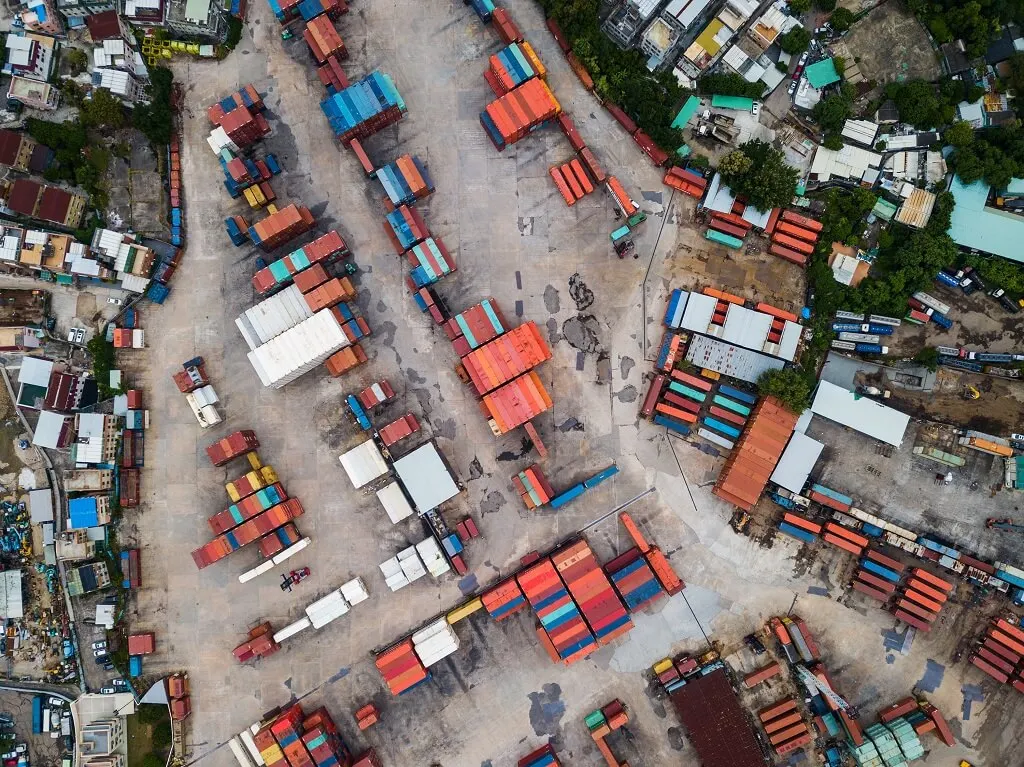
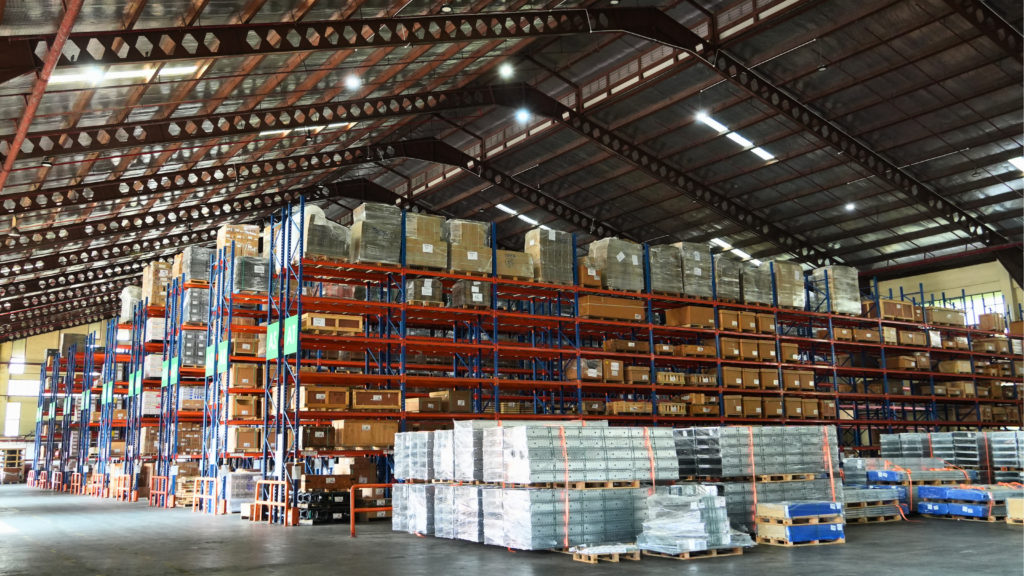
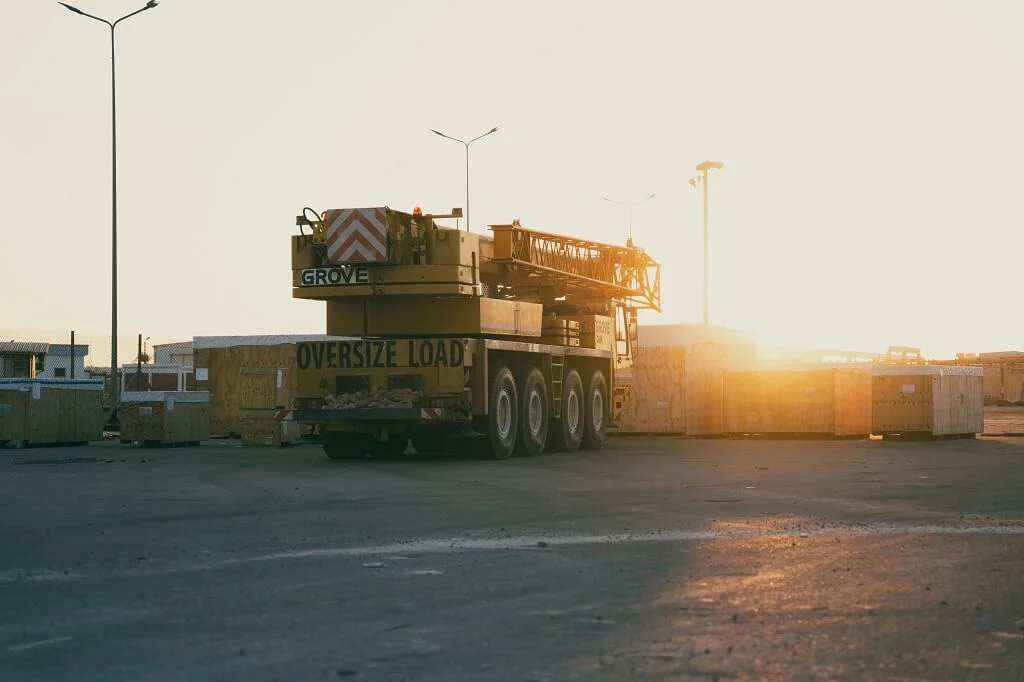
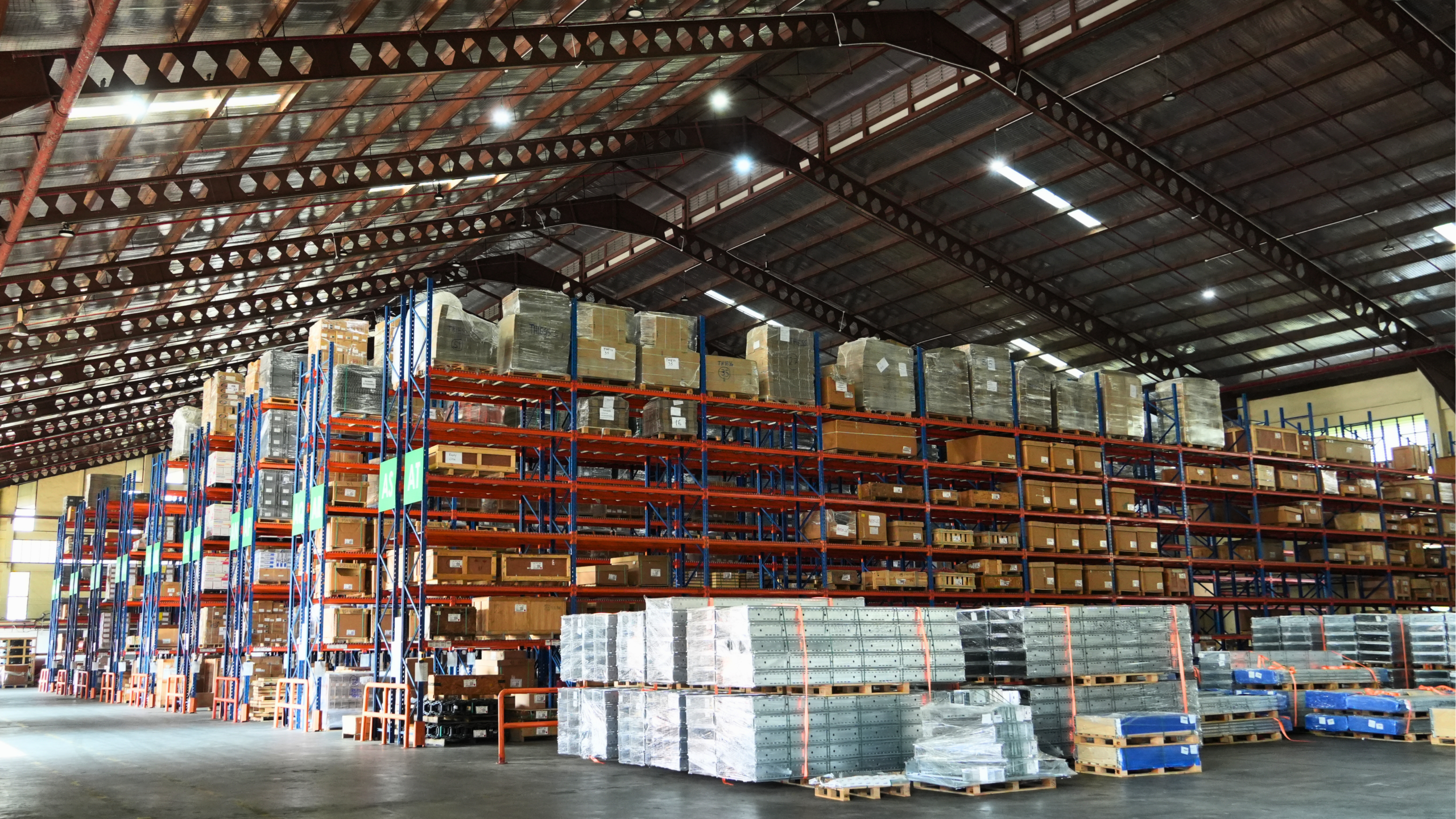
Our strategic position in Singapore is ideal for businesses to leverage our bonded warehouse as a regional distribution hub. With our 7-hectare owned facility, that has both open yard and covered warehouse storage options, our clients are given flexibility and scalability for their operations. From out-of-gauge cargo or palletised cargo, all goods are stored safely in our secure gated premises with CCTV surveillance.
Our expertise spans across different industries and sectors – providing our clients with comprehensive logistics solutions in the Oil and Gas, Heavy Machinery, Construction, Mining, Automotive, Technology, Retail, FMCG and many more.
Halcon Primo Logistics’ bonded warehouse operates under the Zero-GST Warehouse (ZGS) Scheme, which allows us to provide a bonded warehousing solution that stores all non-dutiable goods imported into Singapore with GST suspended until the goods are ready for local consumption.
Conclusion
For many businesses, bonded warehousing solutions deliver better financial and operational efficiency through aligning tax payments closer with revenue generation.
Especially for companies handling high-value cargo, seasonal fluctuations, or are looking to re-export their cargo, the ability to defer duties and GST can unlock significant cash flow advantages. The bonded warehousing solution coupled with Singapore’s robust logistics ecosystem provided a practical way to scale operations, mitigate and manage risks, and remain competitive in global trade.
As supply chains become more complex and capital efficiency becomes increasingly important, bonded warehousing stands out as a smart, forward-looking solution for modern businesses.
Reach out to our team at Halcon Primo Logistics today for a customised bonded warehousing solution to your business ahead.
Sources: