Navigating a global recession can be difficult, especially when it comes to safeguarding your company’s supply chain. With ever-changing restrictions, customs regulations, shipping costs, market uncertainties and customer preferences, the disruption of daily logistics operations due to economic downturns connects businesses’ physical production processes with the financial viability of their organisations. As business leaders strive to weather any storm that may lie ahead, it’s essential for them to have access to strategies and solutions that will give them a competitive edge within their industries.
In this blog, we’ll explore some tips for addressing supply chain disruptions and getting your business back on track in the wake of a global recession.
1. Understand Your Risks
Understanding and addressing supply chain risks can be a crucial first step for businesses in order to ensure continued success following a recession. This will involve analysing logistical challenges, and mapping out where vulnerability lies throughout all areas of your supply chain. Common issues such as supplier insolvency, unexpected natural disasters or political instability must be taken into consideration, as these might be significant challenges for logistics operations depending on certain industries and geographical concerns. Once you have identified what risks apply to you, you can devise a plan to mitigate them, safeguarding logistics operations and allowing your business to continue prospering despite a challenging economic environment.
2. Diversify Your Suppliers
For logistics operations and companies of all sizes, supply chain disruptions can lead to significant challenges during a global recession. To best circumvent these uncertainties, it is critical to prioritise diversifying your supplier base. Having multiple suppliers for critical components of your product or service removes the major obstacle in logistics operations – complete dependence on a single supplier. In this way, companies have an arsenal of resources and partners ready to roll if a provider goes out of business, and can seamlessly switch over to another without facing too much stoppage in your operations. As such, diversifying your supply chain could be the key difference between weathering uncertainties posed by a global recession and struggling to keep up with logistics delays.
3. Build up Your Inventory
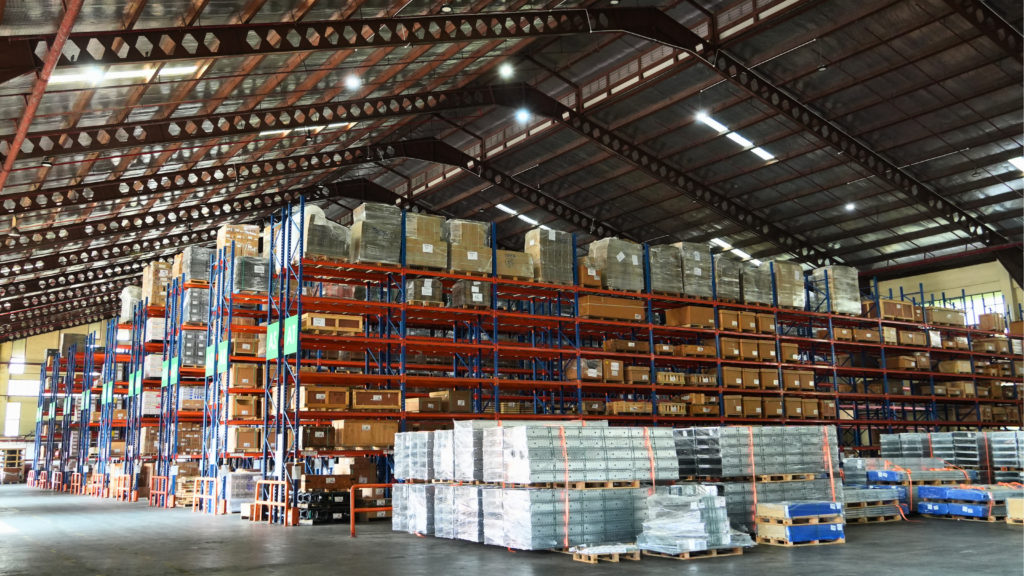
As logistics operations are increasingly complex due to globalisation, supply chain disruptions become more frequent in times of a recession. That being said, keeping a buffer of inventory can be a cost-efficient way of preparing for logistical challenges and reducing the impact of these disruptions. One should consider evaluating their inventory requirements, as an increase in inventory could reduce freight costs and more by providing protection from any supply chain turbulence. However, it is important to monitor the trade-off between carrying excess stock and using too many resources – if not managed properly, this could cause unnecessary financial strain on logistics operations during a global recession.
4. Have a Contingency Plan
To ensure that your logistics strategy remains agile and responsive, it is essential to have a contingency plan in place to tackle any supply chain disruptions following a global recession. This should include alternate suppliers, transportation options, and inventory levels as part of your logistics strategy in order to maintain an efficient supply chain. Being proactive and developing a comprehensive contingency plan can mean the difference between being able to quickly adjust logistics operations during turbulent times or staying mired in logistical challenges. As such, taking the time now to build out a sound contingency plan will help set your logistics operations up for success during any future global recessions.
Overcome Your Logistical Challenges with Us Today
As a business, navigating supply chain disruptions due to the global recession can be daunting. With the economic landscape constantly shifting, it’s essential for businesses to leverage existing indirect networks to ensure on-time delivery of goods while keeping their bottom line intact.
Halcon Primo Logistics collaborates with your company to deliver tailored solutions and improve your logistics experience in Singapore and beyond. Contact us today to learn about our services and how we can help you circumvent your logistical challenges.