What is Cross-Docking in Logistics and Why It Matters
Expedited delivery, next-day shipping, same-day services – with the rise of urgent delivery options, customer demands and expectations have become much higher. To cope with changing consumer habits and preferences, logistics companies need to find ways to reduce turnaround time and still deliver with accuracy and precision. One effective way is to use cross-docking as a supply chain strategy.
What Is Cross-Docking in Logistics?
Cross-docking is a logistics approach where cargo is unloaded from inbound delivery vehicles and moved directly onto outbound vehicles with little to no storage time. In essence, this process removes or significantly reduces the storage phase of the cargo’s journey, saving time and costs associated with traditional warehousing.
By minimising storage and handling, cross-docking accelerates the movement of goods from the point of origin to the point of sale. This helps businesses respond faster to demand and support same-day or next-day delivery expectations.
Why Cross-Docking Is Important
Cross-docking is typically adopted by retail, fast moving consumer goods (FMCG), and e-commerce businesses where speed and efficiency are critical to operations. To keep up with these demands and remain competitive, freight management and distribution companies are developing more responsive supply chain solutions built around cross-dock operations.
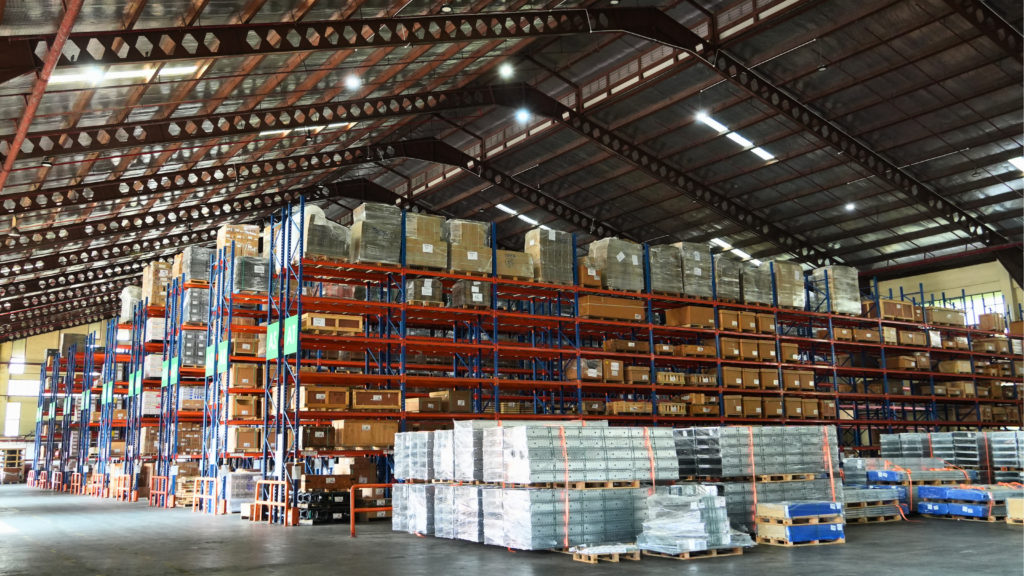
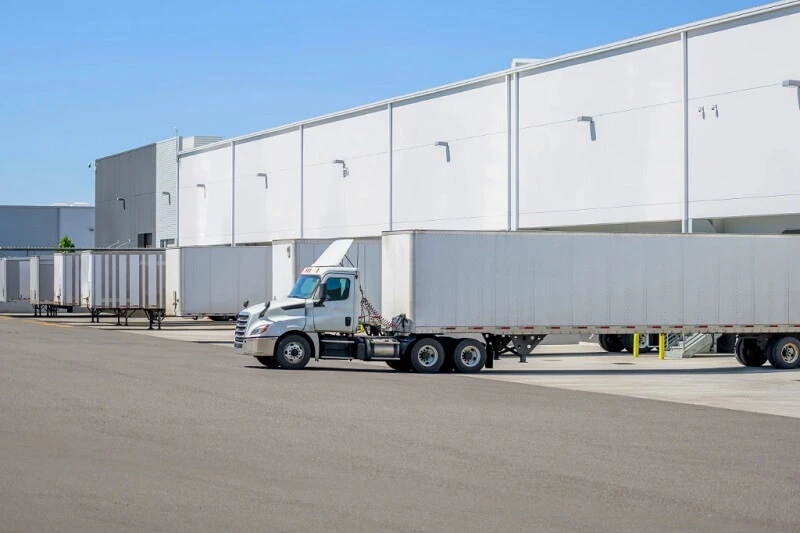
At Halcon Primo Logistics, you can expect agile, efficient, and reliable cross-docking services at our bonded and non-bonded warehouses. Our facilities have multiple loading bays to handle large numbers of containers, and our experienced warehouse team manages the movement and consolidation of cargo with precision and accuracy.
How Cross-Docking Works
Cross-docking requires clear and efficient coordination between the sender, the logistics provider, and the end recipient, because this just-in-time delivery method leaves little room for error. The process of cross-docking typically follows these steps:
- Inbound delivery: Freight management and distribution companies plan the arrival of incoming trucks from suppliers to align with outbound schedules and avoid delays or bottlenecks.
- Unloading (unstuffing) and sorting: Cargo is unloaded, inspected, recorded, and sorted according to the client’s requirements and outbound destinations.
- Consolidation: Where required, cargo is repacked and consolidated into smaller or larger shipments to match outbound routes and customer orders.
- Outbound delivery: Goods are loaded onto outbound trucks for final delivery to distribution centres, retail stores, or end customers.
Types of Cross-Docking by Timing
Cross-docking can be classified by when products are allocated to their final destinations. These are typically categorised into pre-distribution and post-distribution.
Pre-Distribution Cross-Docking
In pre-distribution cross-docking, the supplier determines the final destination for each product before it reaches the cross-docking facility. The shipment arrives already organised based on end recipients’ requirements, so the cross-dock facility mainly unloads, sorts, and transfers goods to outbound trucks according to pre-set instructions.
This is one of the fastest and most efficient cross-docking models because it minimises extra checks and coordination by warehouse operators and reduces storage time at the facility.
Post-Distribution Cross-Docking
In post-distribution cross-docking, the final destination of the cargo is decided after the goods arrive at the cross-docking facility. The sorting and allocation only happen once the products are on-site, which can make the process slightly slower but much more flexible.
This approach lets suppliers and logistics providers make more informed decisions using real-time demand, inventory levels, and order priorities. It is especially useful in fast-changing markets where demand patterns are less predictable.
Types of Cross-Docking by Process
Cross-docking can also be grouped by how goods are handled in the facility. These are typically categorised by: continuous, consolidation, and deconsolidation cross-docking.
Continuous Cross-Docking
Continuous cross-docking involves a constant flow of goods through the facility, with products moving directly from inbound to outbound vehicles and spending minimal time staged on the dock. The goal is to move cargo through the supply chain as quickly as possible, with very limited holding or rehandling.
To keep everything running smoothly, the warehouse team must carefully plan receiving and dispatch schedules to avoid timing mismatches that could delay the movement of goods. This method is ideal for products in steady, high demand such as perishables, time-sensitive FMCG, and promotional items.
Consolidation Cross-Docking
Consolidation cross-docking combines several smaller incoming shipments at the cross-docking facility into one larger outbound load. By merging multiple smaller shipments going to the same region or customer group, businesses can reduce the number of trips and lower overall transportation costs.
These smaller shipments may be set aside in the warehouse for a short period while enough volume is accumulated to build a full outbound load. This approach is common for retailers or distributors shipping to regional hubs or multiple stores along the same route.
Deconsolidation Cross-Docking
Deconsolidation cross-docking is the opposite process: larger inbound shipments are broken down into smaller shipments for distribution. The warehouse receives full loads from one or more suppliers, which are then unpacked, relabelled, and loaded onto outbound trucks based on the needs of individual stores, regions, or end customers.
For example, a retailer might receive one large consolidated shipment from a production centre, which is then deconsolidated into smaller shipments and cross-docked to individual outlets or e-commerce delivery routes. This model is widely used in omnichannel and direct-to-consumer fulfilment.
Key Benefits of Cross-Docking
By making the supply chain more agile, reducing overall costs, and improving customer service levels, cross-docking offers multiple advantages for businesses. Some key benefits include:
Faster Deliveries
Cross-docking reduces or eliminates traditional warehouse storage in the supply chain, allowing cargo to move quickly from supplier to customer. With less dwell time and fewer handling steps, overall lead times shrink, helping businesses meet same-day or next-day delivery expectations more consistently.
Reduced Warehousing Costs
Because products spend less time stored, companies can lower the amount of warehouse space and inventory they need to hold. This also reduces labour costs tied to long-term storage activities such as put-away, replenishment, and repeated handling.
Better Load Utilisation
Cross-docking supports better load utilisation by consolidating or deconsolidating shipments so that outbound trucks are packed efficiently. Optimised loads minimise wasted space in transit, which can reduce transportation costs and improve the sustainability of distribution operations.
Cross-Docking Solutions With Halcon Primo Logistics
In an environment where customers expect fast, reliable and cost-effective delivery, cross-docking offers a powerful way to streamline your supply chain and stay competitive. By reducing storage time, improving load utilisation and accelerating the flow of goods, it helps businesses respond quickly to demand while controlling logistics costs.
If you are exploring how cross-docking can support your retail or FMCG operations, Halcon Primo Logistics can design a tailored solution using our bonded and non-bonded facilities to match your specific requirements. Get in touch with our team to find out how we can optimise your distribution network and enhance your service levels.