In today’s increasingly globalised landscape, managing freight across international borders has become a complex and multifaceted process. Businesses that rely on the prompt delivery of goods to consumers must navigate unique logistical challenges in a constantly evolving industry that requires good regulations and robust integration across continents. Whether you are dealing with expanded inventory systems or supplier networks, it’s essential to understand the key issues affecting freight management. By addressing these challenges, you will be better placed to identify potential points of failure in your own logistics operations – allowing you to maximise cost-effectiveness while minimising disruption.
In this blog, we’ll explore three of the most common freight management challenges, providing insight into how businesses can proactively prevent them from taking hold.
1. Coordinating Shipments Across Multiple Countries
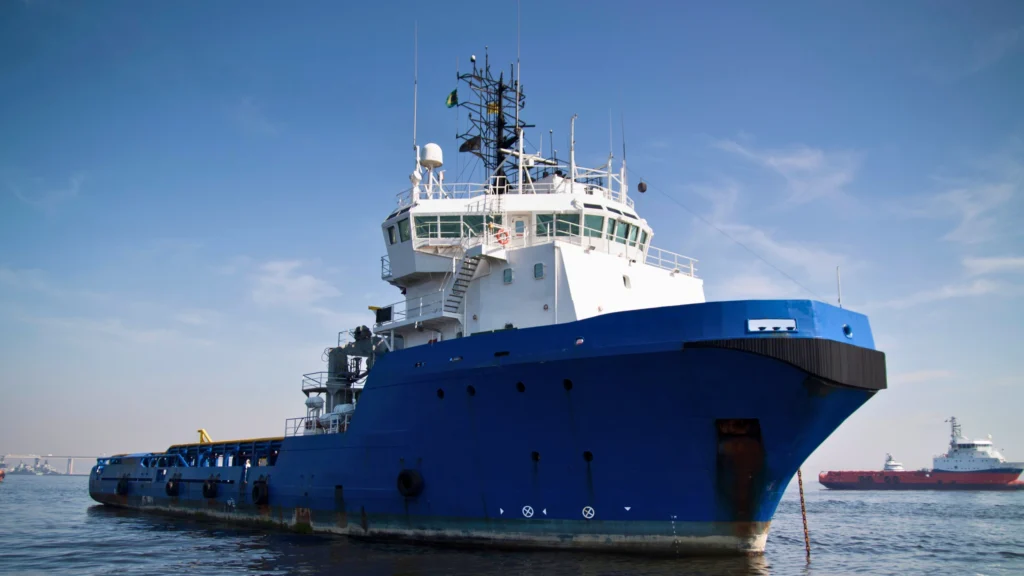
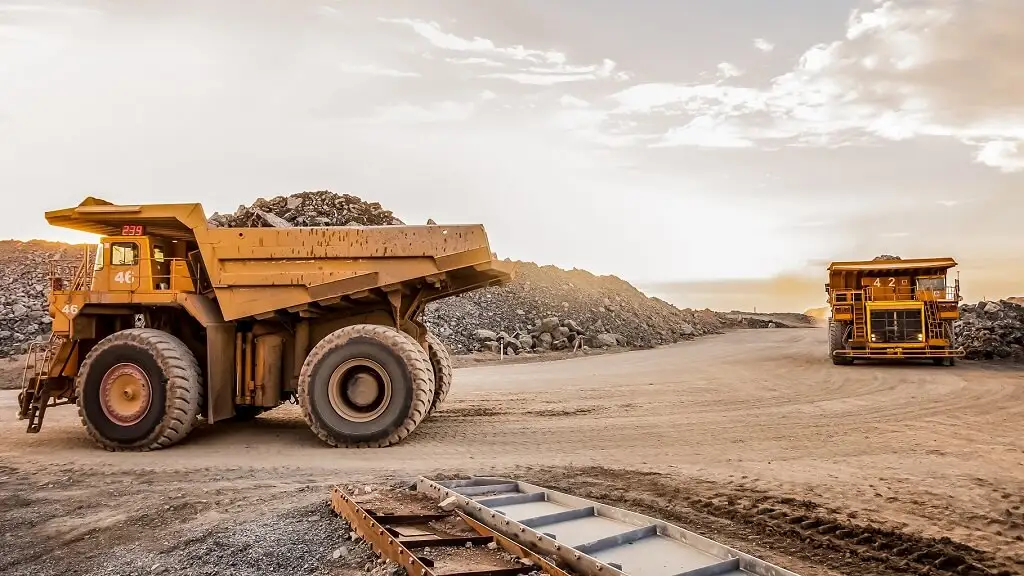
For businesses wondering how to manage and move air freight, sea freight, and even heavy equipment across boundaries, the answer lies in coordinating shipments across multiple countries in an increasingly globalised supply chain. With ever-changing local regulations, customs procedures and language barriers that can lead to costly delays for companies without an experienced partner, air and sea freight forwarding services play a key role in helping navigate the complexities of international trade. Having expertise in each country’s shipping processes will reduce risk and ensure successful delivery, as well as providing peace of mind in the knowledge that heavy items are handled safely when they move between countries. As such, businesses looking to make international shipments need a reliable freight forwarder who understands these challenges and has the resources to get their goods delivered on time.
2. Tracking and Visibility
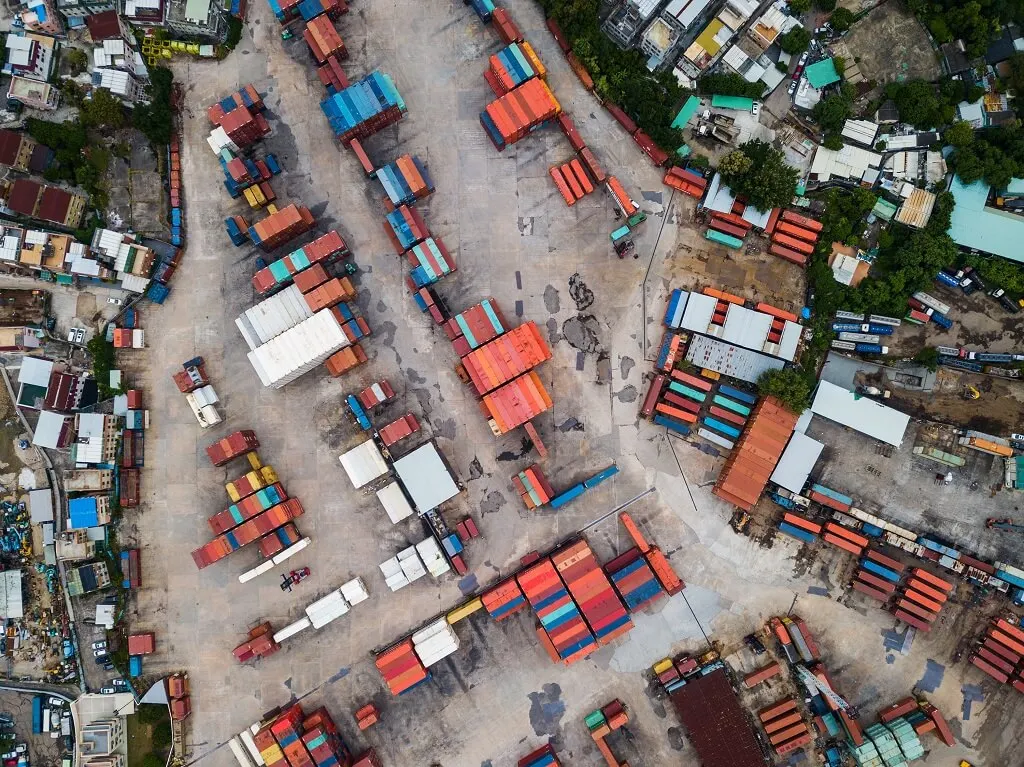
Transporting goods through air and sea freight forwarding services on a global level can be a complicated process. Companies struggle to keep up with their shipments if they do not have access to accurate tracking information and visibility into their supply chain network. To tackle this challenge, air and sea freight forwarders have begun using more advanced technology to ensure that goods move smoothly through each step in the supply chain. This data helps them to better identify delays or issues as they arise, allowing them to quickly make well-informed decisions and take proactive measures accordingly. Additionally, air and sea transport provides an effective way to move heavy equipment or any other large items while still meeting tight deadlines. With such detailed real-time information related to freight management now available, companies are better equipped than ever before to manage their international logistics operations with greater efficiency.
3. Timeliness and Customer Service
In today’s globalised supply chain, achieving timeliness and customer service excellence remain key challenges for businesses in Singapore that need to move heavy equipment. With air and sea freight forwarding services, time management and meticulous planning become paramount to have customers’ goods reach their destination in a timely fashion. This is further deepened as freight forwarders must factor in various transportation routes and customs procedures. But however complex the network may be, engaging experienced logistics providers who understand customers’ needs can help ensure a successful delivery. Working with trusted forwarders will enable businesses to effectively manage the entire supply chain cycle from origin to the intended destination of the shipment, even with heavier equipment that stand as challenging components when considering how it gets moved from one region to another.
Work with Halcon Primo Logistics Today
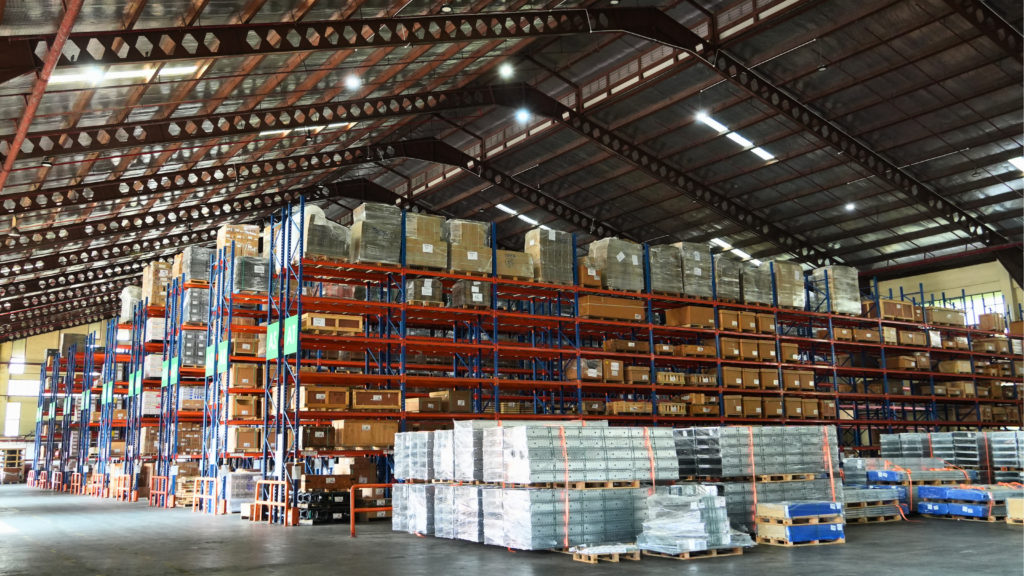
For businesses looking to navigate a globalised market, freight management is an increasingly important part of the supply chain. The scale and complexity of international shipments are growing exponentially, posing a number of challenges for the companies managing them. But with Halcon Primo Logistics, you can better optimise your supply chain for efficiency. As an experienced air and sea freight forwarder in Singapore, we are able to handle special storage and handling requirements, such as cold chain, temperature control, sensitive equipment, and project cargo, in all types of configurations. Speak to our team today for more information about our freight forwarding services.