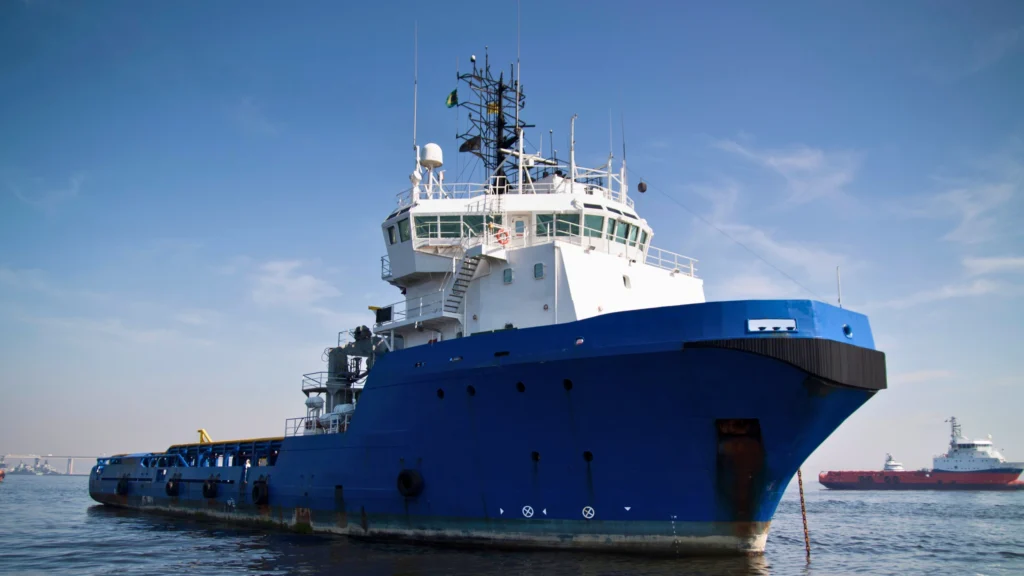
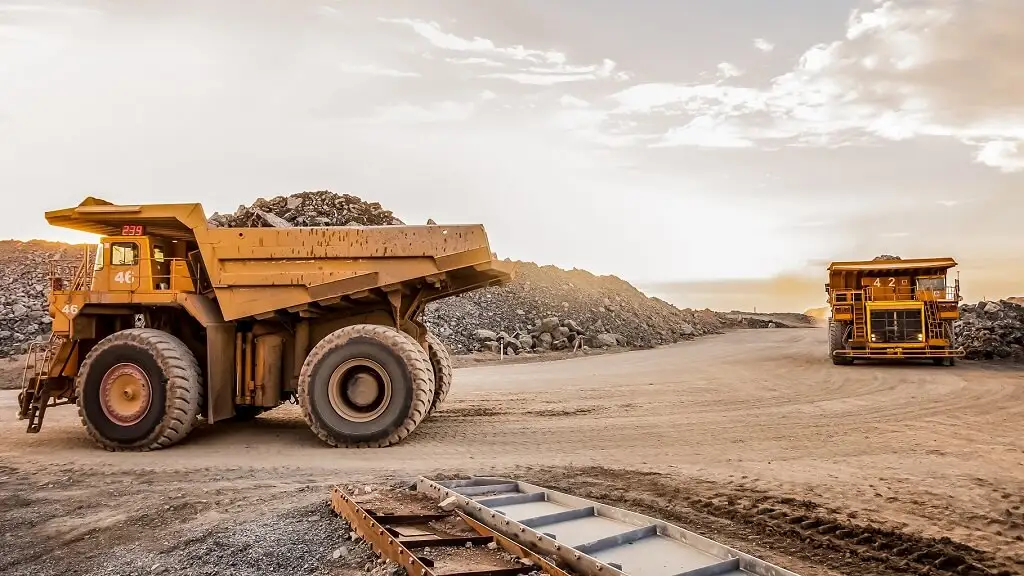
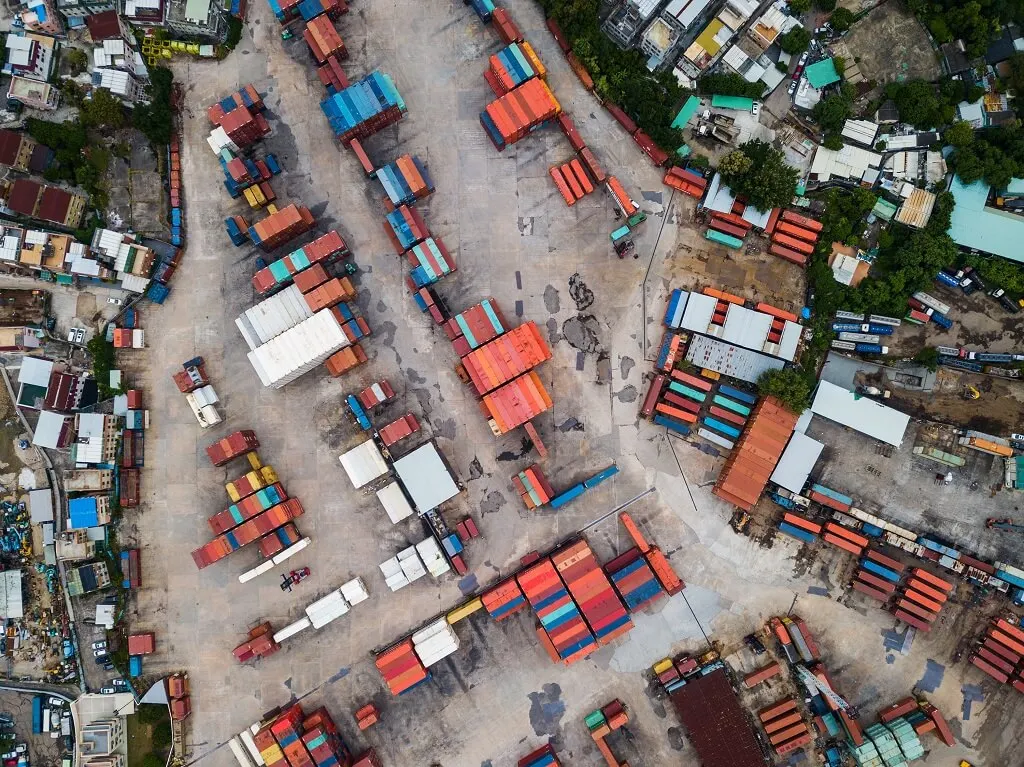
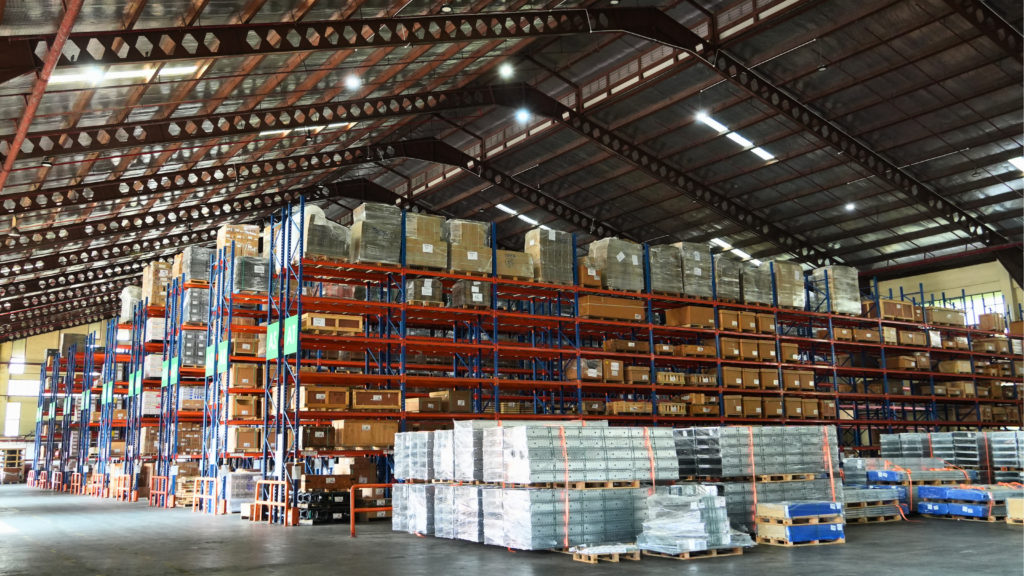
When a shopper clicks “Buy Now”, a global chain of movement is set in motion – from manufacturers and distribution centres to bonded warehouses and retail shelves. In Southeast Asia, this movement has grown rapidly: the region’s logistics market is expected to reach USD 390 billion by 2030, fuelled by e-commerce expansion, regional trade agreements, and the continued rise of cross-border manufacturing.
This growth brings immense opportunity, but it also raises a critical question: how can the logistics industry continue to support economic progress while reducing its environmental impact?
At Halcon Primo Logistics, we work primarily with B2B clients – helping manufacturers, importers, exporters and distributors move their goods efficiently across borders. From this vantage point, we see the growing momentum for sustainability first-hand. Businesses are no longer viewing logistics purely through the lens of speed and cost; sustainability, transparency, and accountability are now equally part of the equation.
Why the Shift Towards Sustainable Logistics
Across ASEAN, sustainability expectations are rising quickly. Governments are setting ambitious climate targets, multinational corporations are requiring suppliers to report on emissions, and logistics players are rethinking their infrastructure and fleets.
In Singapore, the Green Plan 2030 has outlined clear goals for reducing carbon emissions, expanding electric-vehicle charging networks, and encouraging renewable energy adoption across industries. Malaysia, Thailand and Indonesia are also introducing low-carbon transport initiatives and offering incentives for green warehousing and fleet modernisation.
At the same time, consumer behaviour and investor priorities are evolving. Brands are under increasing pressure to ensure that the products they sell – and the logistics chains that deliver them – reflect a lower environmental footprint. This, in turn, affects the expectations placed on logistics partners like us.
Our Commitment at Halcon Primo Logistics
Our sustainability journey began with a simple belief: that meaningful progress starts with practical action. Rather than chasing every new trend, we focused on where our operations could make a measurable difference – within our facilities, our fleet, and our workplace culture.
Here are some of the steps we’ve taken so far:
- Harnessing solar power: We’ve installed solar panels on the roof of our bonded warehouse facility to generate renewable energy and reduce reliance on conventional electricity. This has lowered our carbon footprint and operating costs while supporting Singapore’s wider push for solar adoption.
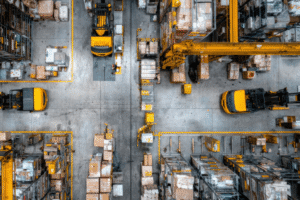
- Electrifying our equipment: Within our bonded and non-bonded warehouse operations, we have invested in using electric forklifts. This not only cuts emissions but also improves energy efficiency and reduces noise levels for our teams.
- Sustainable packaging: We make it a point to use more environmentally conscious packaging materials – choosing recyclable or reusable options that reduce waste without compromising product safety.
- Office sustainability practices: Across our offices, we practise recycling, reduce paper use, and implement energy-saving measures such as motion-sensor lighting and temperature control.
These steps represent the first phase of our sustainability strategy. Each initiative may seem modest in isolation, but collectively, they reflect a deliberate shift – one that integrates environmental responsibility into the way we operate daily.
What We’re Seeing Across the Industry
From our vantage point as a regional logistics partner, several key trends are shaping the way businesses think about sustainability today:
Supply chains are becoming more transparent
Clients increasingly expect visibility into their logistics partners’ environmental performance. Emissions reporting, energy use and packaging sustainability are now regular topics in B2B discussions and tender requirements.
Low-carbon infrastructure is accelerating
Governments and logistics hubs in Singapore, Thailand and Malaysia are investing in cleaner transport networks and renewable-energy zones. For instance, Singapore’s Land Transport Master Plan 2040 supports the transition toward full electrification by 2040, while Malaysia’s Low Carbon Mobility Blueprint encourages businesses to adopt EV fleets and solar-powered facilities.
Digitalisation is driving smarter logistics
Data analytics and real-time visibility tools are enabling companies to track not only delivery efficiency but also carbon performance. Businesses that use these insights to optimise routes or consolidate shipments are reducing emissions while improving margins.
Collaboration is replacing competition in sustainability
More companies are realising that shared sustainability goals – such as co-investing in renewable infrastructure or creating reusable packaging loops – can benefit the entire ecosystem. Collaboration across supply-chain partners is now becoming a strategic advantage, not just a goodwill gesture.
How Businesses Can Play Their Part
Sustainable logistics is a shared journey. Every business within the chain has a role to play – from manufacturers to distributors and end retailers. Some practical steps include:
- Consolidating shipments: Smarter planning reduces half-filled containers or trucks and improves fuel efficiency.
- Re-evaluating packaging: Using recyclable, reusable or right-sized packaging minimises waste and reduces shipping weight.
- Investing in data visibility: Tracking emissions and fuel use enables informed decisions and measurable progress.
- Supporting green partnerships: Working with logistics providers that prioritise clean energy, efficient operations and transparent reporting strengthens the overall sustainability of your supply chain.
When each link in the chain makes small improvements, the combined impact is significant.
Looking Ahead
At Halcon Primo Logistics, we view sustainability not as a project, but as a long-term commitment. Our next steps include expanding renewable-energy use, deepening collaboration with clients on sustainable logistics design, and exploring innovative technologies that make our operations even more efficient.
As the region continues to evolve, we believe that businesses who invest early in sustainable practices will not only reduce their environmental footprint but also build resilience, credibility and long-term value.
Sustainability isn’t about doing less – it’s about doing better, together. And for us, that begins with every shipment, every partnership, and every choice we make along the way.